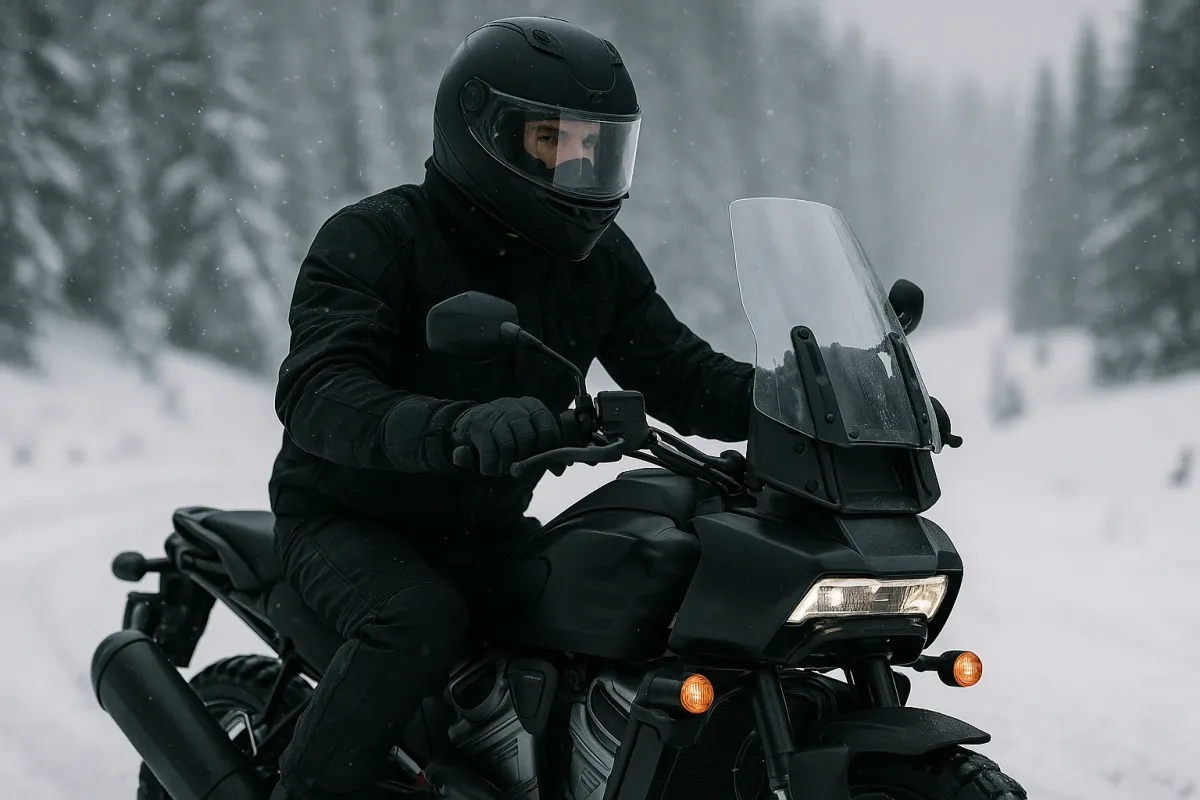
Winter sales are going wild, “budget-but-good” gear is everywhere, and brands are quietly dropping some seriously advanced tech into jackets, gloves, and boots. But if you ride year‑round, you already know: cheap and warm isn’t enough. You need gear that keeps you toasty, dry, and protected without turning you into a numb, over-insulated marshmallow on two wheels.
This is the perfect moment to upgrade, because off‑season discounts and fresh product drops are colliding. Below are five deeply technical, rider-focused points to dial in your winter (and shoulder-season) setup so you can ride hard, feel everything the bike is telling you, and still be comfortable when the temps tank.
Prioritize Layer Systems Over “One Big Warm Jacket”
A lot of winter sale jackets promise “all-in-one” warmth, but serious riders are better off thinking in layers and systems:
- Base layer: Skip cotton. Go synthetic or merino wool. Look for 200–250 g/m² weight for cold weather, with flatlock seams to avoid chafing under armor. The base layer’s job is moisture transport, not warmth.
- Mid layer: Instead of a bulky fleece, consider a low-bulk synthetic insulator (like PrimaLoft-type fills around 60–100 g/m²). These hold warmth even when damp from sweat and compress well inside a moto jacket.
- Shell: Your main jacket should be treated as a protective, armored shell with abrasion resistance and impact protection. Waterproofing and venting in the shell are crucial; insulation is secondary.
Why this matters: separating insulation from protection lets you tune your temperature across daily swings (cold morning, mild afternoon) and varying effort (city stop‑and‑go vs. open highway). It also lets you keep one top-tier protective jacket and just rotate base/mid layers when the seasons or sales change.
Technical tip: Check the jacket’s thermal liner attachment points (zips, snaps, loops). If they’re minimal and non‑proprietary, you can ditch the stock liner and run your own high-performance mid layer from outdoor brands, often at a better warmth‑to‑bulk ratio.
Understand Waterproofing Ratings And Why Breathability Actually Matters
When brands shout “waterproof” during a sale, dig into the actual numbers and construction:
- Hydrostatic head (HH):
- 5,000 mm: light rain, short duration
- 10,000 mm: decent all‑day rain for most riders
- 15,000–20,000+ mm: proper heavy‑weather touring
- Breathability (MVTR or RET):
- MVTR 8,000–10,000 g/m²/24h: acceptable
- 15,000+ g/m²/24h: good for active riding
- RET under 13: comfortable; under 6: very breathable
If a jacket just says “waterproof membrane” with no rating, assume it’s entry-level. Also pay attention to construction type:
- Drop liner: Membrane hangs inside the outer shell. Cheaper, but the outer fabric can still soak up water and get heavy/cold.
- Laminated (2L/3L): Membrane bonded directly to the outer. Water beads on the surface, dries faster, and is less likely to sag or chill you at speed.
Breathability sounds like marketing fluff until you ride in 0–5°C with a non‑breathable membrane: sweat builds, base layers get damp, and within an hour you’re freezing from the inside. Breathable membranes plus good vent placement (chest intake, back exhaust, NOT just tiny armpit zips) mean you can run warmer layers without turning into a condensation chamber.
Technical tip: Look for double‑storm flaps over zippers, laminated front zips, and fully taped seams. A 20,000 mm membrane is pointless if the main zip is just a standard coil zipper with no garage or flap.
Upgrade Impact Protection With Modern CE Armor, Not Just Thicker Foam
Sales are a great trap: big discounts on jackets that still use ancient, floppy foam pads. Don’t fall for it—modern armor tech is one of the biggest functional gains you can buy.
Key points:
- CE Levels:
- EN 1621‑1 (limbs) and EN 1621‑2 (back)
- Level 1: max 35 kN average transmitted force
- Level 2: max 20 kN average (more protection, often slightly bulkier)
- Material types:
- Viscoelastic armor (e.g., D3O-style, SAS‑TEC-type) soft and flexible until impact, then stiffens to spread force. Ideal for comfort in touring gear.
- Hard shell + soft liner armor better at sliding and resisting point loads, often used in track gear.
Riders should aim for:
- Shoulders & elbows: CE Level 2 if possible
- Back: Full‑length CE Level 2 back protector, not a “foam placeholder”
- Hips & knees: At least CE Level 1, with adjustability to position over the joint
Advanced detail: Armor works best when it stays in place at impact. That means well‑designed pockets, minimal slop, and ideally adjustable height positions at knees and elbows. Winter layers can slightly shift armor; always try the gear on with your typical cold‑weather base/mid layers and check where the armor actually sits in riding position, not just standing.
Technical tip: Some modern slimline Level 2 armor has perforations and flex zones that dramatically improve comfort and thermal management. If your jacket is discounted but uses old pads, factor in the cost of an upgrade set—often still cheaper overall and far more protective.
Choose Gloves And Boots For Thermal Performance Without Killing Feedback
Hands and feet are where “cheap and warm” can really ruin control. You want a controlled compromise between insulation and feel.
For gloves:
- Outer material: Quality leather palm with minimal seams in key contact areas (bars, levers). Textile backs are fine for weatherproofing if the palm feel is good.
- Insulation: For active riding, 60–100 g synthetic insulation in the back of the hand is often enough if combined with handguards or heated grips. Too much palm insulation can numb your feel for brake and clutch.
- Membrane placement: A laminated membrane closer to the outer avoids squishy “water balloon” feel. Drop‑liner gloves can get spongy and reduce precision.
- Cuff design: Gauntlet cuffs should go OVER the jacket in heavy rain, UNDER in light rain/cold wind depending on design. A two‑stage cuff (inner seal + outer shell) is ideal.
For boots:
- Shank stiffness: You want a boot that bends at the ball of the foot but resists torsion. Too soft and you’re vulnerable; too stiff and you lose pedal feel.
- Ankle bracing: Look for external or internal bracing systems or at least solid malleolus cups and a structured upper.
- Thermal vs. bulk: A light insulated liner + good wool socks often beats a heavily insulated boot that numbs feel and traps sweat.
- Outsole compound: Winter grip matters—rubber designed for low temps maintains flexibility and traction on cold, wet pavement.
Technical tip: Combine heated grips (or bars) with moderately insulated, well‑fitted gloves instead of going straight to ultra‑thick “snowmobile” gloves. You’ll get better lever feel and still keep circulation going. Similarly, a quality merino moto sock (around 50–70% wool blend) can transform a standard touring boot into a far warmer system without resorting to bulky, clumsy winter boots.
Use Fit, Adjustability, And Ergonomics As Performance Criteria, Not Just Comfort
Cyber week deals often focus on price and features, but hardcore riders should treat fit and adjustability as performance variables just like horsepower or tire compound.
What to look for:
- Articulated patterning: Pre‑curved sleeves and knees reduce bunching when you’re in riding position. This prevents pressure points that can cut off circulation in the cold.
- Adjustment zones:
- Biceps, forearms, and waist tension straps to lock armor in place
- Calf and thigh adjusters on pants to avoid flapping and keep knee armor centered
- Collar engineering: A micro‑fleece or neoprene-lined collar with a graduated closure (not just one snap) helps seal wind without digging into your throat with a balaclava on.
- Cuff and hem behavior at speed: Poorly designed cuffs can balloon, channeling cold air up your arms. Tapered sleeves with proper closures (Velcro straps plus zips) create a smoother silhouette in the airstream.
From a technical standpoint, every fold or flap of loose fabric is both drag and a potential channel for cold air and water intrusion. Good winter and touring gear uses patterning, darts, and strategic panel shaping to create a close-but-mobile fit that holds its structure at highway speeds.
Technical tip: When trying gear, always simulate your real riding posture—on the bike if possible or at least in a deep seated crouch with arms forward. If the jacket pulls tight across the shoulders, exposes your lower back, or shifts armor off your joints, that’s a design that will fatigue you on longer rides, no matter how “comfortable” it feels standing up in a showroom or your living room.
Conclusion
Winter sales and trending “budget finds” can absolutely work in your favor—but only if you think like a rider, not a casual shopper. Build your kit as a system: technical layers for temperature, meaningful waterproof and breathability specs, modern CE armor, hand and foot protection that preserves fine control, and a fit engineered for the riding position.
Do that, and you don’t just extend your season—you transform cold‑weather riding from something you merely endure into something you actively seek out. Less time scrolling, more time riding: use the current wave of deals and new releases to dial in gear that’s as serious about performance as you are about the ride.
Key Takeaway
The most important thing to remember from this article is that following these steps can lead to great results.